Natural History Museum Vienna
There are a huge number of artifacts on display at the Natural History Museum in Vienna. It is worth dedicating an entire afternoon to the museum. The most extraordinary exhibits are the Venus of Willendorf statue, displayed in the prehistoric section, and the meteorite collection, which is the largest collection of meteorites in the world.
The Prehistoric Section
The prehistoric section is very rich. In one room we can see objects made of gold, while in others various artifacts, such as statues, stone tools, or jewelry are displayed. The most famous find is the Venus of Willendorf statue, which is twenty-nine thousand five hundred years old. Next to it, another tiny, even older statue can be seen.
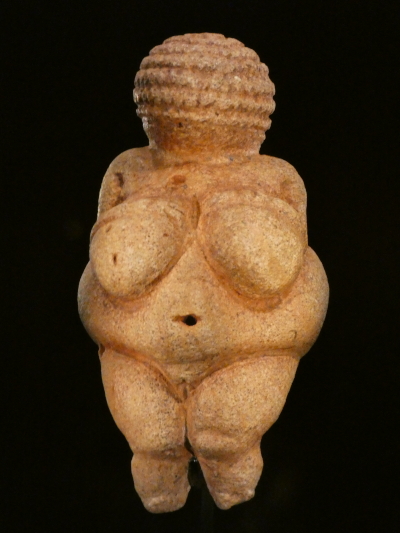
The Venus of Willendorf statue
Interesting Finds
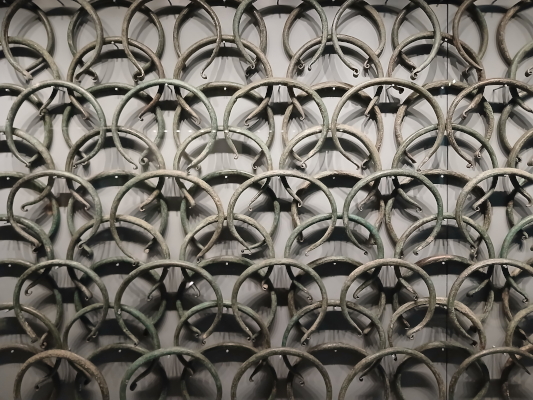
We found two artifacts particularly strange. One of them is a set of palm-sized, horseshoe-shaped semicircles made of metal, which were used as a form of currency.
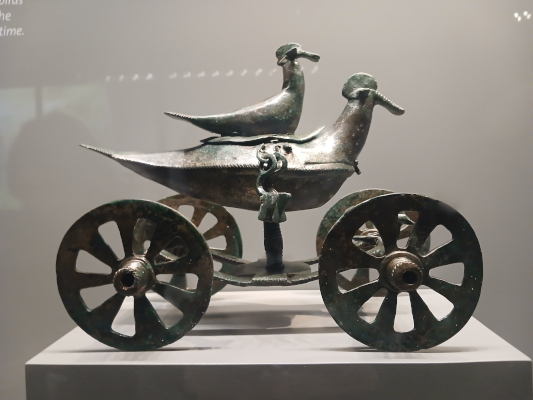
The other is a chariot, also made of metal, with birds perched on it. It remains a mystery what this object might have been used for.
Fossils and Dinosaurs
In the rooms on the first floor, we can also see fossils: ammonites, plants, fish, or insects trapped in amber.
In the section dedicated to dinosaurs, a real dinosaur skeleton is on display; the other skeletons are not authentic, but a moving dinosaur also makes this room fascinating.
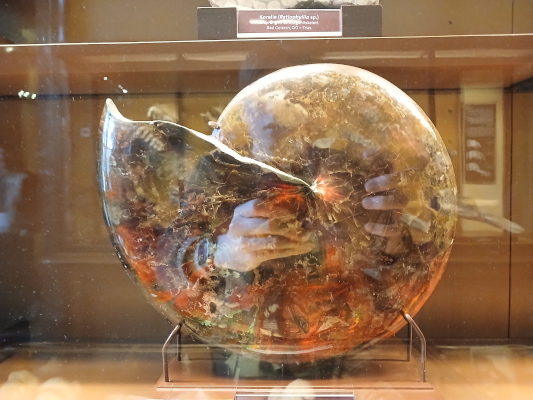
ammonite fossil
The Largest Meteorite Collection in the World
In the room displaying meteorites, we can see an abundance of meteorites, which is why it is rightfully the largest meteorite collection in the world. Iron and stony meteorites, as well as rare Martian meteorites, can be found here.
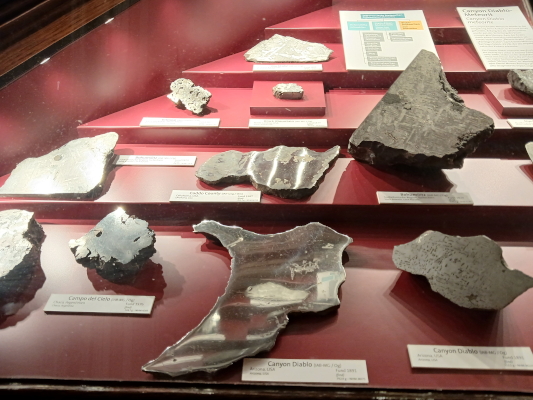
iron and stony meteorites
The Interactive Section of the Museum
The interactive section of the museum is also exciting: for example, you can see jumping prehistoric horses on a screen, witness a volcanic eruption, or see what you would look like as different prehistoric humans.